Be ready for the EU Battery Passport by 18 February 2027
Create, manage and update the digital battery passport for your EV, LMT and industrial batteries, and keep each battery’s history when it moves into a second life.

What the Circunomics Battery Passport covers
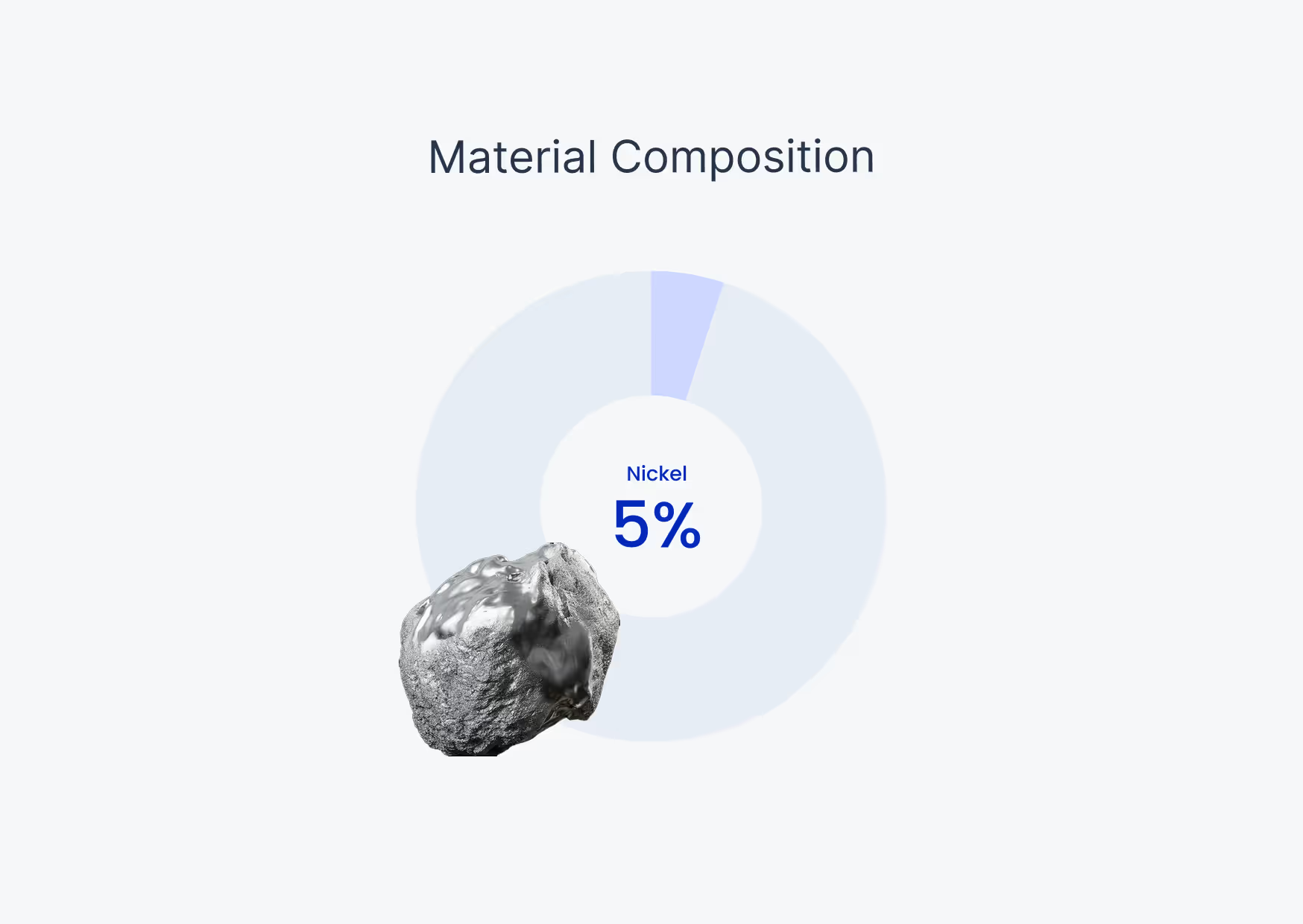
From composition to circularity - track every battery's material origin, carbon footprint and second-life potential, all in one place.
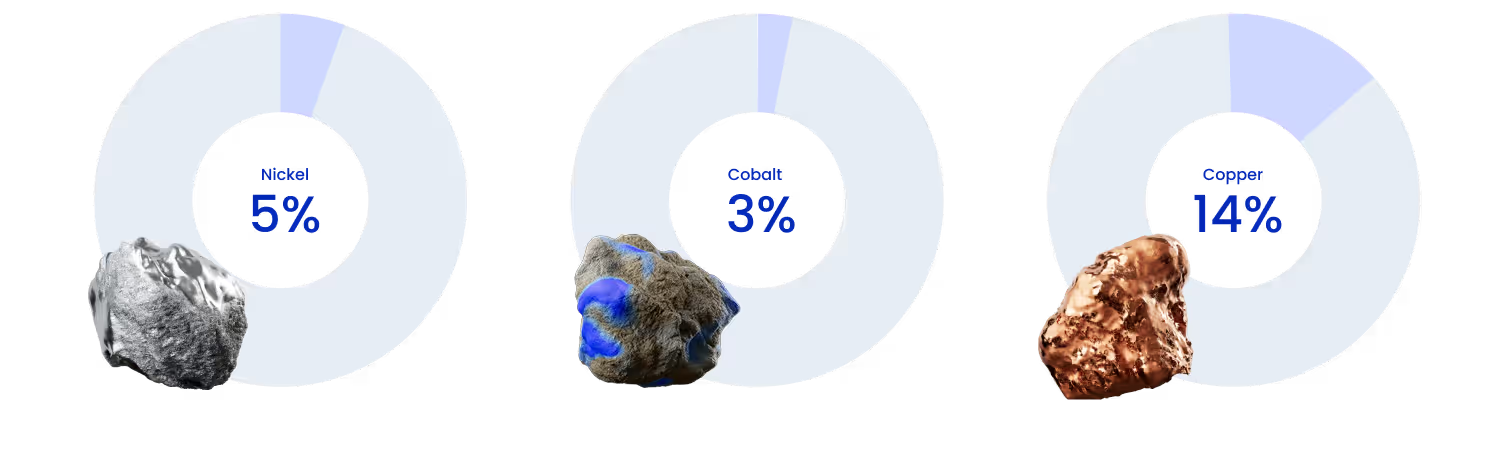
Circunomics helps you stay ahead of upcoming regulations, including 2027 Battery Passport mandates and EPR obligations.

Our Battery Passport is designed to integrate with other platforms and standards, providing data compatibility across the global battery ecosystem.
Whether you're sharing data with OEMs, recyclers, or regulatory bodies, Circunomics makes sure your passport remains flexible, future-proof, and universally readable.

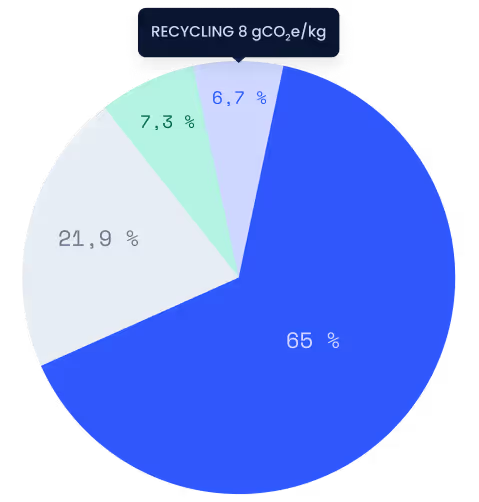
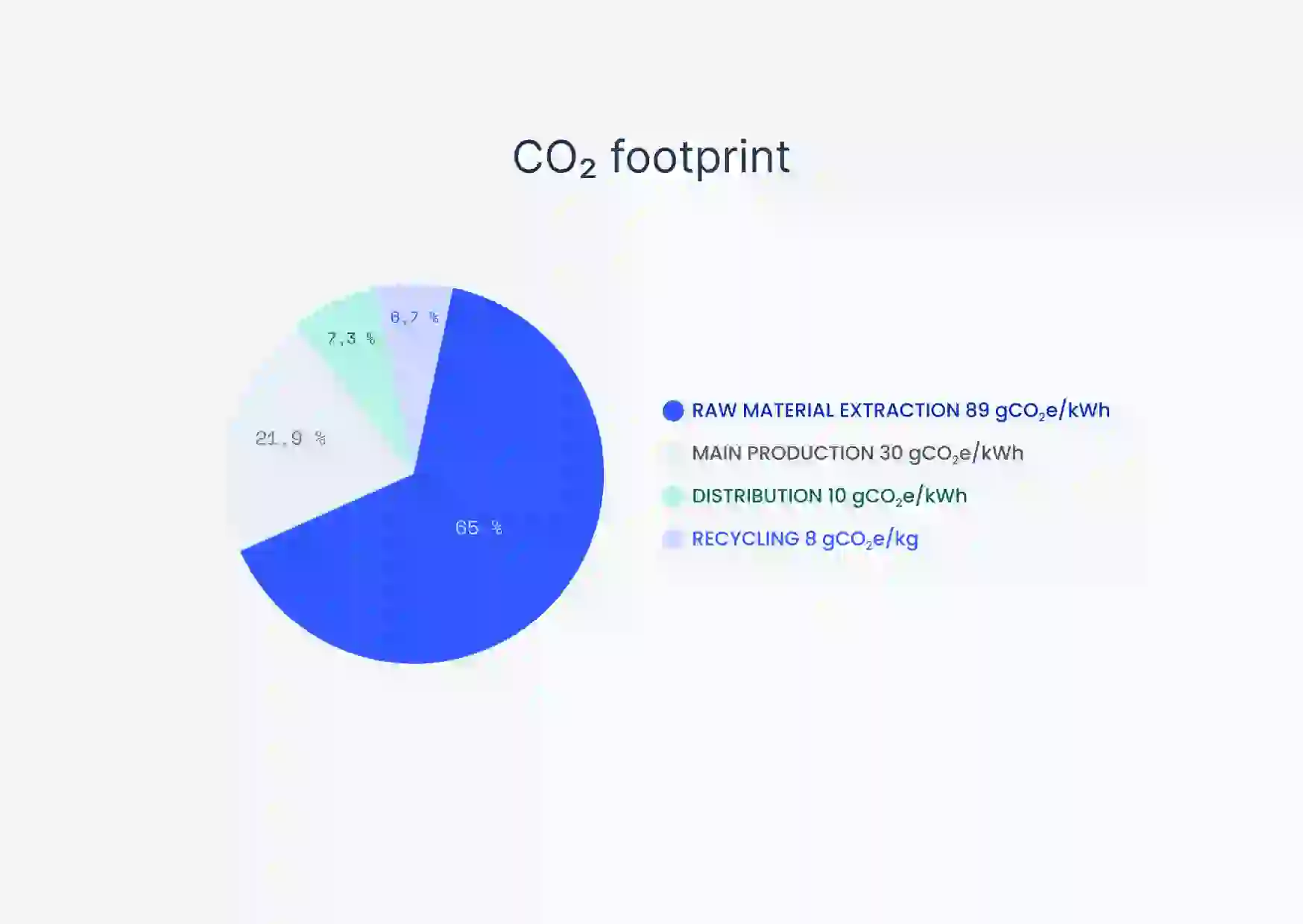
Track embedded emissions, usage patterns, and degradation to improve circular design and ESG reporting.

What is the EU Battery Passport and who needs one?
The EU Battery Passport, often called the digital battery passport, is a digital record for each battery, accessed via a QR code. It is the battery version of the EU’s Digital Product Passport (DPP).
It becomes mandatory for EV batteries, LMT batteries and industrial batteries above 2 kWh, and the company placing the battery on the EU market is responsible for it.
Repurposed or remanufactured batteries get a new passport, linked to the original. It holds data such as:



EU Battery Regulation (EU) 2023/1542: what it requires
Regulation (EU) 2023/1542 sets rules for batteries across their whole life.
From 18 February 2027, every EV battery, LMT battery and industrial battery above 2 kWh, including BESS, placed on the EU market needs a digital battery passport.
The company placing it on the market is responsible for the passport: a QR code linked to a unique identifier, the data listed in Annex XIII, and keeping that data accurate and up to date.

Once the EU Battery Passport becomes mandatory, there is no transition period: every in-scope battery placed on the market from that date needs one. Supplier data and end-of-life documentation take the longest to collect, and carbon footprint data will follow once the EU adopts the calculation rules. Circunomics gives you a ready-to-integrate passport, so your team can focus on the data.

The Battery Passport provides a standardized digital framework that connects all actors along the battery value chain- from raw material suppliers and manufacturers to users and recyclers. It enables traceability of material origin, transparency on composition, performance, and sustainability metrics such as carbon footprint and Recycled Content Share

The Battery Passport serves as a digital bridge between our business areas. By linking verified data on battery health, composition, and origin, it enables the identification of second-life and recycling opportunities within our marketplace ecosystem. This connection helps determine the most suitable and sustainable next use for each battery — from reuse to material recovery. Through this integration, we create a continuous flow of data and value across the battery’s entire lifecycle.
Request your Battery Passport demo before the deadline


FAQ: Battery Passport
What is the EU Battery Passport?
The EU Battery Passport is a digital record for each battery, accessed via a QR code on the battery. It is required by Article 77 of the EU Battery Regulation (EU) 2023/1542 and is the battery version of the EU's Digital Product Passport (DPP).
Which batteries need a battery passport, and from when?
EV batteries, LMT batteries (e-bikes, e-scooters and other light means of transport) and industrial batteries above 2 kWh, including battery energy storage systems. Every in-scope battery placed on the EU market or put into service from 18 February 2027 needs one.
Who is responsible for the battery passport?
The company that places the battery on the EU market. When a battery is repurposed or remanufactured, the company placing it back on the market takes over, and the new passport is linked to the original one.
What data does a battery passport contain?
The data listed in Annex XIII of the Regulation, such as manufacturer details, battery chemistry and material composition, carbon footprint, and performance and durability data. Some of it is public, and some is only available to people with a legitimate interest and to authorities. Our guide explains all 71 data points.
What does the Circunomics Battery Passport cover?
It lets you create, manage and update passports for EV, LMT and industrial batteries, track material origin, carbon footprint and State of Health, and keep each battery's history when it moves into a second life. Passport data is blockchain-secured and built to integrate with other platforms.